
Living History: The Role of Curios in Balinese Cultural Identity
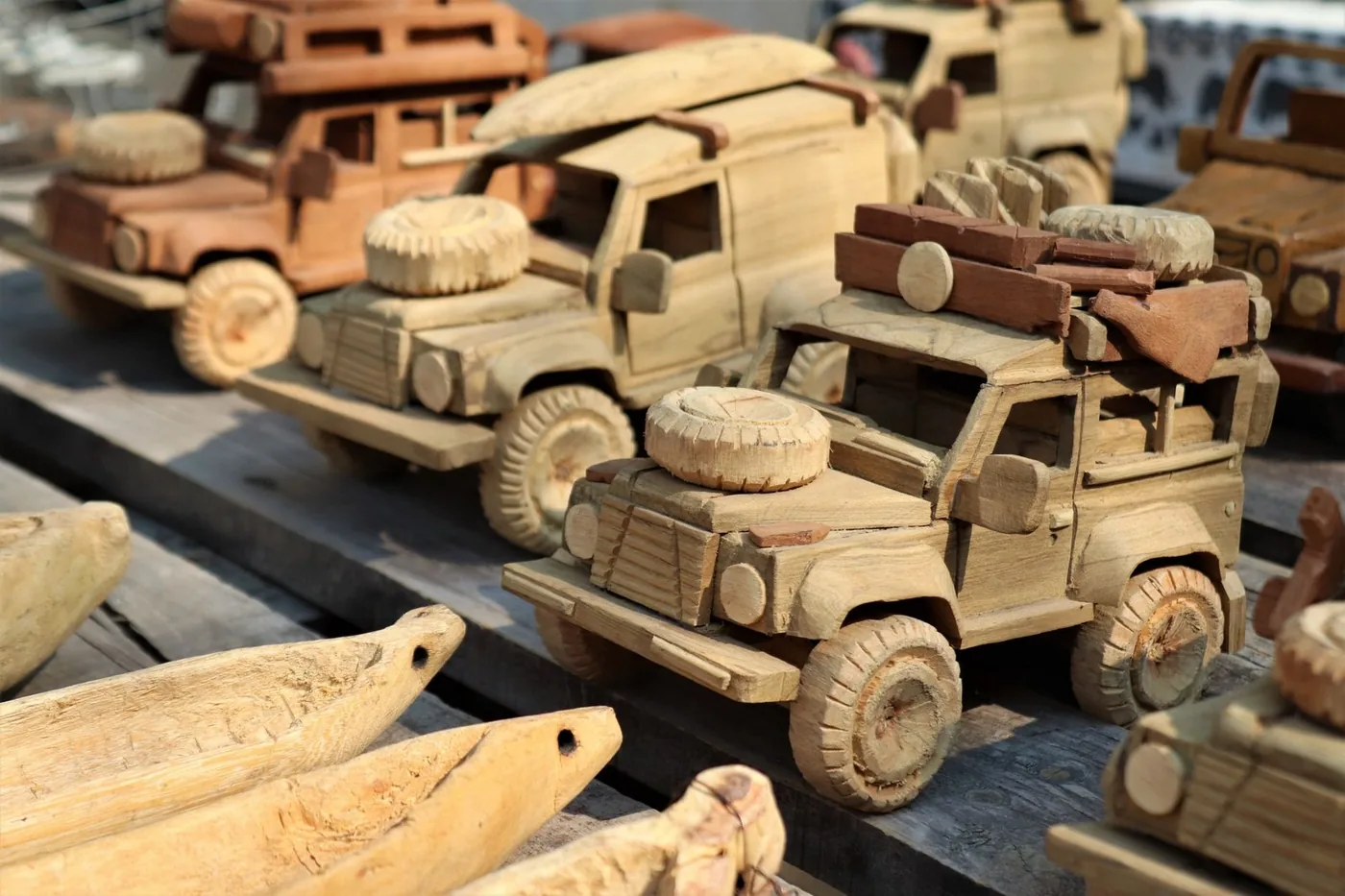
Bali's markets are full of objects that look like artefacts and are frequently something else — reproductions, decorative pieces made for export, or genuine ritual items removed from the context that gave them meaning. None of that makes them worthless, but it does make the buying more interesting once you understand what you are actually looking at.
Start with the distinction that matters most. A great deal of Balinese carving and weaving is made for ceremonial use within the community and never enters the market at all. A parallel industry, well over a century old, makes work for outsiders — and that industry is not a corruption of the tradition so much as a branch of it, with its own genuine craftsmanship and its own masters. The village of Mas has been carving for visitors for generations and does it superbly.
Textiles are where the depth is. Balinese and eastern Indonesian weaving includes some of the most technically demanding cloth made anywhere: the double-ikat geringsing of Tenganan, which takes years per piece and is woven in only one village; the songket of the courts, shot through with gold and silver thread; and the everyday endek that most visitors mistake for a print until they turn it over. Learning to read the reverse of a cloth is the single most useful skill for buying well.
Masks and carvings carry a distinction worth respecting. A topeng mask made for performance is consecrated and treated as a living object by the company that uses it; a mask carved in the same workshop for sale is not, and no one involved regards the second as deception. The problem arises only when a genuinely ritual object leaves a temple, which does happen, and which no reputable dealer will be relaxed about discussing.
The daily offerings — canang sari, the small palm-leaf trays with flowers and incense that appear on every doorstep each morning — are the most visible ritual objects in Bali and the least commercial. They are made fresh, used once and left to decay, and the whole point is the making rather than the object. Buying one misses the idea entirely, which is why you rarely see them sold.
For buying, the practical advice is dull and effective. Go to the villages rather than the tourist markets when you can: Mas for carving, Celuk for silver, Batubulan for stone, Tenganan and Sidemen for weaving. Ask who made the piece and expect a specific answer. Handle everything. And treat a very low price on something that ought to be labour-intensive as information rather than a bargain.
There is a genuine ethical line and it is not hard to stay on the right side of it. Do not buy anything presented as removed from a temple. Be wary of old masks with unclear provenance. Avoid anything using protected timber or animal material, which also creates customs problems on the way home. Beyond that, buying directly from working craftspeople is straightforwardly good for the tradition.
Bargaining is expected in the markets and misunderstood by most visitors. It is a conversation rather than a contest, conducted with good humour, and the aim on both sides is a price both parties are content with rather than a victory. Opening at a third of the asking price and settling somewhere near half is a reasonable rhythm in a tourist market. In a village workshop, where the price reflects days of work, hard bargaining is simply rude.
Shipping is worth arranging properly for anything substantial. Established dealers in Mas and Celuk ship regularly, will crate work correctly and can handle the paperwork; the small stalls generally cannot. Get a written description and a value for customs, keep the receipt, and be aware that most countries treat wooden objects as a biosecurity question, which is another argument for buying from someone who does this every week.
There is a small but real trade in genuinely old pieces, and it needs care. Age is difficult to verify, patina is easy to fake, and any object described as removed from a temple should end the conversation. Indonesia has export restrictions on cultural property, and beyond the legal position there is the obvious point that a shrine figure is worth far more where it was than on a shelf in Europe.
The most rewarding way to buy here has nothing to do with rarity. Go to a working village, watch the process for half an hour, talk to whoever is doing it, and buy something made that month by someone whose name you know. It will cost less than the equivalent in a Seminyak boutique, it will be better made, and you will be able to say something about it beyond where you were on holiday.
The wider point is that these objects are not relics of a culture that has finished. Balinese ritual life is vigorously alive, the carving and weaving traditions are still being taught, and the market for visitors is one of the things funding that continuity. Understanding what you are looking at turns a souvenir into something considerably more interesting, and usually improves what you end up buying.